
City Of Richmond, VA
Richmond stands as a premier showcase of yesterday’s finest moments. Outstanding architecture, elaborate mansions, wrought-iron porches, impressive monuments, and the soft glow of gas light—around every corner, this historic city invites residents and visitors to discover the enchantment of a bygone era. Little wonder that Richmond has often been called “the perfect blending of the past with the present.”
City Of Richmond
Set along the James River, this historic capital city blends urban energy with a strong sense of community and easy access to outdoor recreation. Residents enjoy miles of scenic trails, riverfront parks, and opportunities for kayaking, cycling, hiking, and running, particularly around Belle Isle and the James River Park System. Tree-lined neighborhoods range from lively downtown districts with lofts and restaurants to quieter residential areas filled with historic architecture and local shops. Seasonal festivals, farmers markets, live music venues, and a growing arts scene help create an active social atmosphere throughout the year.
Daily life combines the convenience of a mid-sized city with a relaxed pace that appeals to families, young professionals, and retirees alike. A wide selection of locally owned restaurants, coffee shops, breweries, and cultural attractions gives the area a distinct personality, while nearby colleges and museums contribute to an educated and creative environment. Residents benefit from access to healthcare facilities, diverse employment opportunities, and a central location that allows for easy travel to the mountains, beaches, and Washington, D.C. Mild winters and four distinct seasons make it easy to enjoy outdoor activities and community events year-round.
RICHMOND NEIGHBORHOODS
Church Hill
Overlooking Shockoe Bottom, Shockoe Slip and the downtown district, Church Hill is Richmond’s first historic district. Along the narrow, shaded streets are elegantly restored townhouses and antebellum homes featuring Federal, Victorian, and Greek Revival architecture. Home prices vary with the progress of renovation. River or city vistas, lush parks, brick sidewalks, gas lanterns, and ornate ironwork add to the appeal. Serving as the district focal point is St. John’s Church where Patrick Henry presented his famous “Give me liberty or give me death” speech.
The Fan
Named for the design of its streets that “fan out” from downtown, this area is renowned as the largest intact Victorian neighborhood in the nation. Large and small row houses, condominiums, and spacious detached homes abound. Million-dollar mansions harmonize with turn-of-the-century homes in a wide price range, joined by a scattering of duplexes and high-rise apartments. Also gracing this area are tree-shaded parks and streets, landscaped courtyards, wonderful rooftop gardens, cobblestone alleys, and quaint brick sidewalks.
Oregon Hill
Adjacent to the Fan, the small neighborhood of Oregon Hill has been attracting a diverse population. Those with a desire to refurbish one of its many townhouses are drawn to this architecturally rich area. True of any historic district, the degree of required renovation will determine the price of the home and property. Quaint and quiet, this welcoming neighborhood was once known as Sydney and is surrounded on two sides by the Hollywood Cemetery and the James River Park.
Jackson Ward
Nestled in the very heart of the downtown district, Jackson Ward enjoys a convenient location in close proximity to several major attractions including Richmond Coliseum. Local highlights in this area include historic 2nd Street, Maggie Walker’s house and the famous Bojangles statue — all poignant tributes to Richmond’s African American community. Rowhomes from the early 20th century and 19th century tend to be priced according to their state of renovation. Lovely cast-iron porches grace many residences, the legacy of European artisans.
Shockoe Slip, Shockhoe Bottom
Colorful and unique, Shockoe Slip was once the commercial center of Richmond. This district near the James River, east of the downtown area, has managed to infuse the charm of the past into a vibrant new life. Renovated 19th century warehouses and buildings serve as cozy apartments, shops, restaurants, and fine hotels—graced by architectural embellishments, quaint brick sidewalks, and an occasional cobblestone street. Down the hill from the Slip lies Shockoe Bottom with its popular nightlife. In addition to the Farmer’s Market and the Edgar Allan Poe Museum, the area is home to studios, galleries, restaurants, and some charming apartment developments.
Tobacco Row
Representing an ambitious redevelopment project, Tobacco Row east of downtown was once a thriving manufacturing center. With a serene setting along the James River, the area’s historic buildings offer architectural styles from periods that range from the mid 1800s to the 1930s. Revitalized warehouses have emerged as apartment developments as well as property for new offices and retail shops or service establishments.
CONTEMPORARY DEVELOPMENTS
North Of The River
Carver/Carillon
Situated near Belvidere and Leigh Streets, the new subdivision of Carver features turn-of-the-century architectural styling where luxurious nine-foot ceilings grace detached townhomes. Nestled at the edge of the cultural and recreational hub of Byrd Park, the Carillon features Tudor and Georgian homes with Cape Cods and sprawling ranch homes set back on tranquil, shaded streets.
Ginter Park/Bellevue/Sherwood Park
Large Victorian homes with gracious lawns harmonize with beautiful examples of Tudor, Georgian and Colonial architecture in these lovely neighborhoods. Well-kept smaller homes are scattered throughout the area, offering a pleasing medley of styles and price ranges. Home choices range from modest to majestic manors surrounded by lavish landscaping.
Highland Park
Most of the spacious Victorian and Colonial homes in this neighborhood feature formal living areas and roomy bedrooms. Large old trees shade the well-manicured lawns and gardens in this established area of modestly priced homes that are brimming over with character and charm.
West of the Boulevard
Often called the Upper Fan District, this neighborhood features homes that tend to be somewhat smaller than those in the Fan. Most of these residences were constructed in the 1920s and 1930s. Brick two-story family homes are the most common style.
Westhampton
For idyllic living in the heart of the city that includes neighborhood cafes and charming shops along tree-lined avenues, newcomers are drawn to Westhampton. Architectural styles vary from Cape Cods and bungalows to stately colonials. Home sizes and price ranges vary in every category to offer new residents a pleasing selection.
Windsor Farms
The suburban neighborhood of Windsor Farms encompasses some of the area’s most beautiful homes as well as Agecroft Hall and the Virginia House. Georgian architecture is common, although most homes were built between 1930 and 1960 and vary in size and style. Many of the million-dollar estate homes offer spectacular river views.
South Of The River
Cherokee Road/James River Area
Rolling hills and wooded lots predominate in these gracious neighborhoods. Properties cover a wide range of styles and prices, from stone cottages and contemporary two-story homes to luxurious riverfront estates.
Huguenot Farms, Hobby Hills
Just off Cherokee Road in the southwest section of Richmond are neighborhoods that offer the panoramic beauty and privacy of lush woodlands. Home styles available in the Huguenot Farms area include Colonial, Transitional, Cape Cods, and contemporary. Choices range from modest two-bedroom residences to spacious homes that offer up to five bedrooms as well as an office, library, or den. Developed in the 1950s, Hobby Hills is a neighborhood that features an attractive mix of homes that range in size from 1,500 to 3,000 square feet.
Oxford/Stratford Hills
Oxford is known for its spacious wooded lots and roomy family homes with three or four bedrooms. Serene settings form the backdrop for a blend of architectural styles, including sprawling ranches, Tudors, and Dutch Colonials. Stratford Hills was first developed between 1940 and 1960 on land that offered rolling hills and woodlands for enhanced privacy. The housing selection in this area includes traditional, Georgian, contemporary, Cape Cods, and ranches.
Westover Hills/Westover Hills West
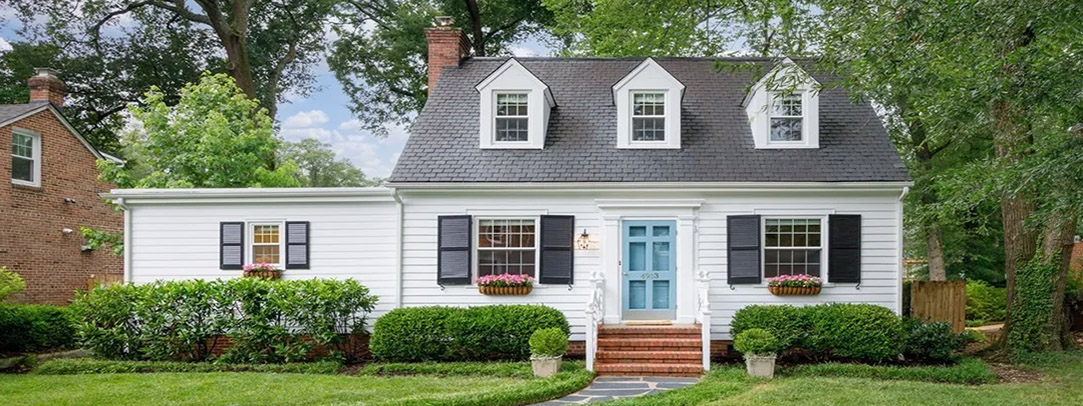
Cape Cod styling and colonial architecture blend with a selection of Tudor homes in Westover Hills, a beautiful neighborhood that blankets gently rolling hills graced by sections of woodlands. The adjacent enclave of Westover Hills West provides an elegant collection of luxurious designer homes that are situated along Forest Hill Avenue and Powhite Parkway. Newcomers can custom build on a home site, purchase a new home, or shop for an attractive resale.
Local Activities & Information
Use the search box below to find listings on anything from Restaurants and Coffee Shops, to Grocery Stores, Schools and much more.
The More menu will give you some options as well.